What is in this guide
Pets make a house feel like home. They also leave hair on the couch, the stairs, the rugs, and somehow the top of the fridge.
You do not need a spotless house to have a happy dog or cat. You just need a plan that keeps the hair from winning. Here is what works in the homes I clean.
Why pet hair needs its own plan
- Hair does not stay where it falls. It floats, drifts into corners, and gets pulled into vents.
- Dander and dirt come along with the hair, even from pets that shed less.
- Many dogs and cats shed more in spring and fall as their coats change.
- In winter, paws bring in salt, slush, and mud.
A quick once over is not enough. Pet homes need a little attention more often, and a deeper clean now and then.
Tools that make pet hair easier
- A vacuum made for pet hair, with a brush roll and a hand tool for furniture. A HEPA filter helps catch fine dust and dander.
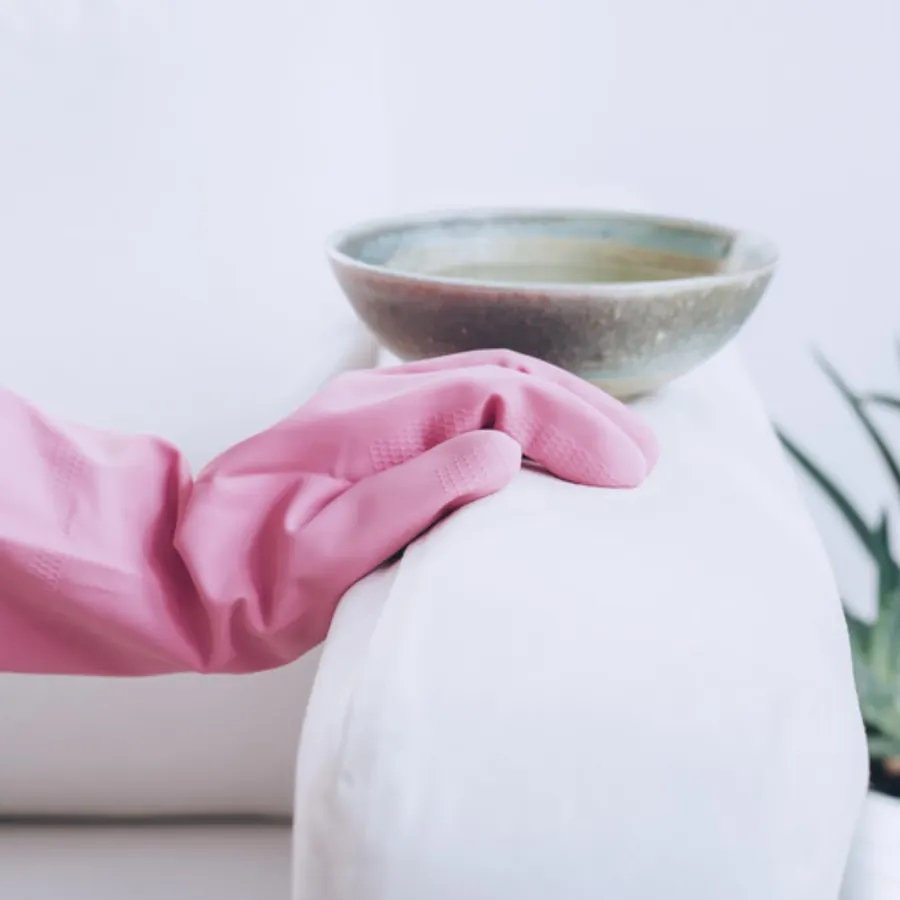
- Rubber gloves. Dampen them and run your hand over the couch. The hair rolls up into clumps.
- A rubber broom for hard floors and low rugs. It pulls hair out instead of pushing it around.
- A lint roller by the door for clothes and lamp shades.
- Microfiber cloths. Dampen them lightly so they grab hair and dust instead of spreading it.
- An enzyme cleaner for accidents. More on that below.
You do not need all of it on day one. If you buy one thing, get a good vacuum.
Couches, chairs, and beds
- Start high, finish low. Hair falls as you clean, so do the couch before the floor.
- Pull off the cushions. Vacuum the seat, the cracks, and both sides of each cushion.
- Use a damp rubber glove on fabric. Wipe in one direction and pick up the clumps.
- Cover the favorite spot. If your dog always sleeps on one end, put a washable throw there and wash it every week.
- Wash your bedding often if pets sleep with you. Shake it outside first so less hair ends up in the washer.
- Vacuum under the furniture. Hair tumbleweeds hide under the couch and the bed.
For more on these rooms, see my bedroom and living room cleaning.
Floors: carpet and hard floors
Pet hair gets pushed deep into carpet. On hard floors, it slides into corners and under the edges of furniture.
Carpet and rugs
- Vacuum slowly. Fast passes miss most of the hair.
- Go over the busy areas from two directions.
- Empty the canister or change the bag often. A full vacuum loses suction.
- Unplug the vacuum and cut away hair that wraps around the brush roll.
Hard floors
- Always vacuum or dry sweep before you mop. Mopping over pet hair turns it into wet clumps.
- Get the corners and along the baseboards. That is where hair piles up.
- Wipe the baseboards with a damp cloth. Hair and dust stick to them.
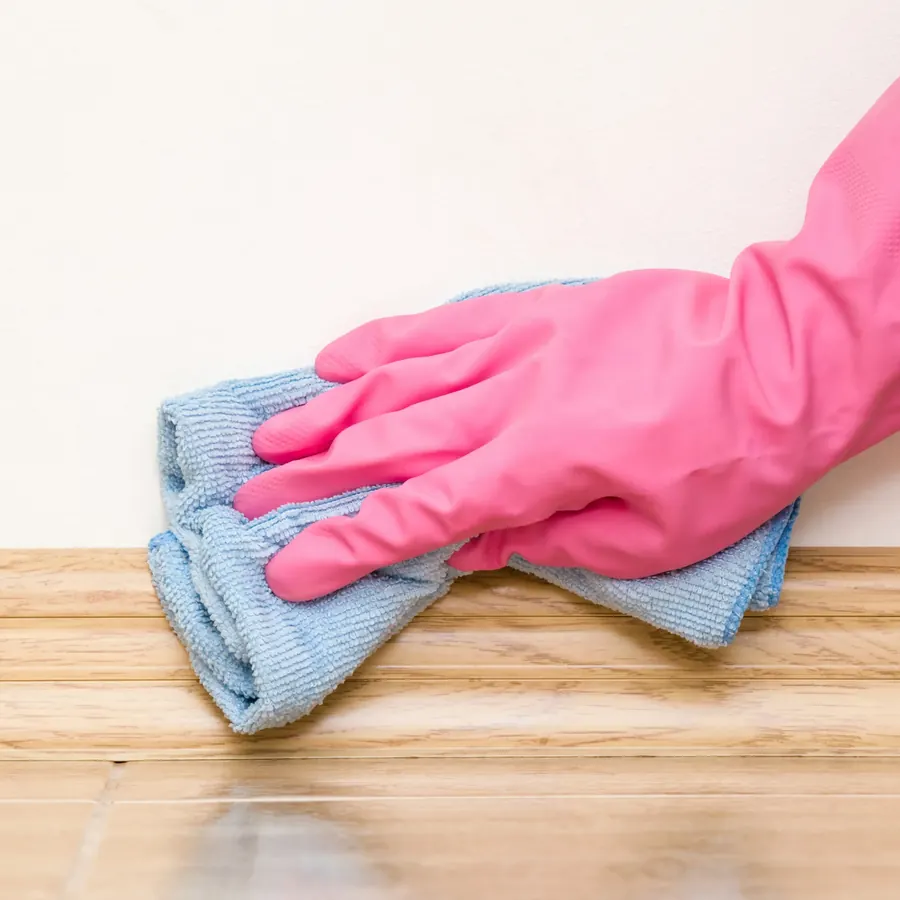
Floors are a big part of every visit I do. Here is how I handle floor cleaning.
Dust, air, and vents
Pet hair and dander float before they land. They end up on shelves, blinds, and ceiling fans, and in the vents.
- Check the furnace filter every month. Pet homes clog filters faster. Change it when it looks gray.
- Vacuum the vent covers and cold air returns. Returns pull in a lot of hair.
- Dust with a damp microfiber cloth, top to bottom. Ceiling fans, blinds, and shelves first, then lamps and tables.
- Dust the TV and cords. Static pulls hair onto them. Use a dry microfiber cloth on screens.
This is the same order I use for my dusting service.
Pet beds, bowls, and toys
- Vacuum pet beds, then wash the covers every week or two.
- Wash food and water bowls every day with hot soapy water, and rinse them well.
- Wipe the floor under the bowls. Put a mat there to catch spills.
- Wash soft toys in the washer now and then. Wash hard toys in the sink.
Litter boxes and accidents
The litter box
- Scoop every day.
- Put a litter mat outside the box to catch what sticks to paws.
- Sweep or vacuum around the box every day or two.
- Empty and wash the whole box on a regular schedule. Follow the directions on your litter.
Accidents on carpet or rugs
- Blot, do not rub. Press paper towels into the spot until nothing more comes up.
- Use an enzyme cleaner made for pet messes. It breaks down what causes the smell. Regular cleaners can leave a smell your pet can still find, and they may go back to the same spot.
- Let it sit as long as the label says, then let it air dry.
- Test any cleaner on a hidden spot first.
Winter paws: salt, slush, and mud
Our winters are hard on floors. Road salt and ice melt stick to paws and end up all over the house.
- Keep an old towel by the door and wipe paws after every walk.
- Wipe between the toes. Salt can bother your pet's paws, so this helps them too.
- Put a heavy mat inside the door your dog uses most.
- Wipe salt off hard floors right away so it does not leave a white film.
- If you use ice melt on your own steps, look for one labeled pet safe.
My fall cleaning checklist has more on setting up the entryway before winter.
A simple pet hair schedule
| How often | What to do |
|---|---|
| Every day | Scoop the litter box, wash the bowls, wipe paws at the door, and do a quick vacuum of the main room |
| Every week | Vacuum all floors and furniture, mop hard floors, dust, and wash throws and pet bed covers |
| Every month | Check the furnace filter, vacuum the vents and returns, wash soft toys, and vacuum under the furniture |
| Spring and fall | A deeper clean for shedding season: baseboards, blinds, ceiling fans, under beds, and the couch |
A heavy shedder may need that daily vacuum. A cat that barely sheds may not. Adjust it to your pet.
Keep cleaning safe for pets
- Store cleaners up high or in a closed cabinet.
- Keep pets out of the room until the floors are dry.
- Open a window or run a fan while you clean.
- Some products and strong scents are not safe for pets, especially cats. If you are not sure about a product, ask your vet.
When to get help
Keeping up with pet hair is a lot of small jobs that never end. That is where I come in.
I do weekly and biweekly cleaning in New Lenox and nine nearby towns. A regular visit keeps the hair from building up between your own quick cleans. If it has been a while, start with deep cleaning to get the couch, baseboards, and vents back to clean. Then keep it there.
When I come for the free walkthrough, tell me about your pets. Show me where they sleep and where the hair piles up. That helps me see what your home needs and give you a fair price.
About the author
I am Nevaeh, a cleaning lady in New Lenox who cleans a lot of homes with dogs and cats. Your pets are welcome when I clean. Just tell me about them at the walkthrough.
xo, Nevaeh